How To Grow Your Own Climbing Hydrangea
Climbing hydrangeas (Hydrangea petiolaris) are beautiful, versatile plants that can add a touch of elegance to any garden. They are relatively easy to grow, and with a little care, they will thrive for many years.
In this blog post, we will discuss everything you need to know about growing climbing hydrangeas, from choosing the right location to pruning and caring for your plants.
Choosing the right location
The first step to growing climbing hydrangeas is to choose the right location. These plants prefer partial shade, but they can also tolerate full sun if the soil is kept moist. They should not be planted in areas that receive direct sunlight for more than six hours per day.
Climbing hydrangeas also need well-drained soil. If your soil is heavy or clayey, you will need to amend it with compost or sand to improve drainage.
Planting
Once you have chosen the right location, it is time to plant your climbing hydrangeas. Dig a hole that is twice as wide as the root ball and just as deep. Add a layer of compost or manure to the bottom of the hole, then place the plant in the hole and backfill with soil.
Water the plant thoroughly after planting. You may need to water your plant more frequently during the first few weeks after planting, until it has established itself.
Training
Once your climbing hydrangeas have started to grow, you will need to train them to climb. You can do this by attaching them to a trellis, fence, or wall. You can also use garden wire to help them climb.
Climbing hydrangeas have aerial roots that will help them cling to their support. However, you may need to help them get started by tying them in place.
Pruning
Climbing hydrangeas do not need to be pruned heavily. However, you should remove any dead, diseased, or damaged branches in the spring. You can also prune your plants to control their size and shape.
If you want your climbing hydrangeas to flower more profusely, you can prune them back in the spring to about one-third of their size. This will encourage new growth and more flowers.
Watering and fertilizing
Climbing hydrangeas need regular watering, especially during hot, dry weather. Water your plants deeply once a week, or more often if the weather is hot.
You should also fertilize your climbing hydrangeas once a year in the spring. Use a balanced fertilizer, such as 10-10-10, and follow the directions on the label.
Overwintering
Climbing hydrangeas are hardy in USDA zones 4-9. However, in colder climates, you may need to protect your plants from the cold. You can do this by covering them with a burlap sack or other protective material.
Troubleshooting
If your climbing hydrangeas are not thriving, there are a few things you can check. First, make sure they are getting enough water. If the leaves are wilting, your plants may need more water.
Second, check the soil pH. Climbing hydrangeas prefer slightly acidic soil. If the soil is too alkaline, your plants may not be able to absorb the nutrients they need.
Finally, check for pests and diseases. Climbing hydrangeas are susceptible to a few pests, such as aphids and spider mites. If you see any pests, treat them with an insecticidal soap or neem oil.
Enjoying your climbing hydrangeas
With a little care, your climbing hydrangeas will thrive for many years. They will provide you with beautiful flowers for many months of the year.
Hydrangea petiolaris, commonly known as climbing hydrangea, is a beautiful and versatile plant that can add a touch of elegance to any garden. It is a deciduous climber that can grow up to 30 feet long, and its stems cling to walls and other structures by means of aerial rootlets. In the summer, it produces large clusters of white flowers that resemble lacecaps. The flowers are fragrant and attract butterflies and other pollinators.
If you are interested in learning more about hydrangea petiolaris, I recommend visiting the website . This website has a wealth of information about the plant, including its care requirements, growing conditions, and pest and disease control. You can also find photos and videos of hydrangea petiolaris in bloom.
FAQ of hydrangea petiolaris
- What is hydrangea petiolaris?
Hydrangea petiolaris, also known as climbing hydrangea, is a woody vine that can grow up to 60 feet long. It is native to East Asia and is known for its beautiful white or pink flowers that bloom in the summer.
- What are the different colors of hydrangea petiolaris?
The most common color of hydrangea petiolaris is white. However, there are also varieties that bloom in pink, blue, and purple. The color of the flowers can vary depending on the soil pH, with acidic soils producing blue flowers and alkaline soils producing pink flowers.
- How do I care for hydrangea petiolaris?
Hydrangea petiolaris is a relatively easy plant to care for. It prefers full sun to partial shade and moist, well-drained soil. It is important to water the plant regularly, especially during hot, dry weather. Hydrangea petiolaris is not as cold-hardy as some other hydrangea varieties, so it is important to protect it from frost in cold winter areas.
- How do I train hydrangea petiolaris to climb?
Hydrangea petiolaris can climb by twining its stems around a support or by using its aerial rootlets to cling to a surface. If you are training the plant to climb a wall, you will need to provide it with a sturdy support. You can use a trellis, a fence, or even a tree. Once the plant has established itself, it will be able to climb on its own.
- Is hydrangea petiolaris toxic to animals?
Yes, hydrangea petiolaris is toxic to animals, including dogs, cats, and horses. If your pet ingests any part of the plant, it is important to contact your veterinarian immediately.
Image of hydrangea petiolaris
- Image of a hydrangea petiolaris climbing up a tree. The hydrangea is in full bloom, with white flowers cascading down the tree. The leaves are a deep green color.

- Image of a close-up of the flowers of a hydrangea petiolaris. The flowers are small and white, with a delicate appearance. The petals are slightly curled, and the center of the flower is a darker green color.

- Image of a hydrangea petiolaris growing in a garden. The hydrangea is climbing up a trellis, and the flowers are blooming in shades of pink and white. The leaves are a dark green color.

- Image of a hydrangea petiolaris in autumn. The leaves of the hydrangea have turned a beautiful shade of red, and the flowers are still blooming. The hydrangea is growing against a wall, and the contrast between the red leaves and the white flowers is stunning.
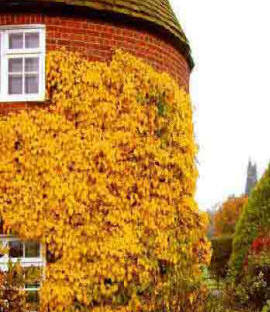
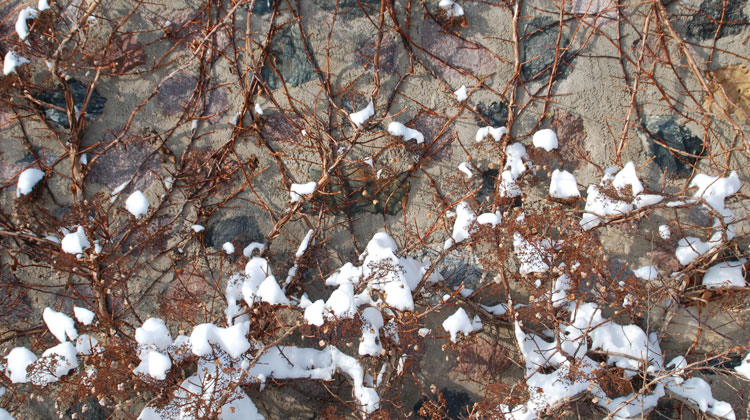
- Image of a hydrangea petiolaris in winter. The leaves of the hydrangea have fallen off, but the bare branches are still covered in the remnants of the flowers. The hydrangea is growing against a fence, and the contrast between the white flowers and the dark brown fence is striking.

Post a Comment for "How To Grow Your Own Climbing Hydrangea"